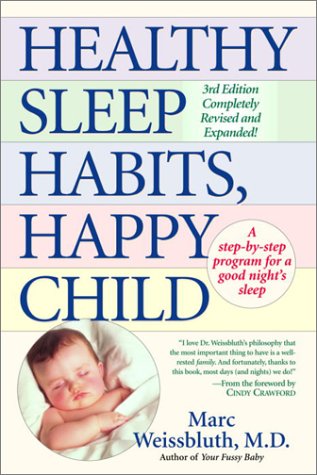
(Note: this post was originally written in April 2009, and is kind of a follow-up to another post I wrote about sleep. Since most “experts” will tell you that it isn’t really possible to sleep train an infant younger than 6 weeks, but I believe that any kind of training starts in the womb – or at least when the baby is born – these are my thoughts on how to “prepare” your baby for sleep training. Just like we have to teach our children how to use the potty, we need to teach them how to sleep. Sure our bodies need sleep, but how many of us really listen to our bodies anyway? We need to teach ourselves and our children how to listen to their bodies and take care of them. Here’s how we taught our #2 how to have good sleep habits)
I think J is finally figuring out the whole day/night thing. She still has her evening "fussy time" as I call it, but yesterday it happened earlier in the day - which means bedtime ends up being earlier! (and I'm hoping it will do the same today!). She's starting to be more alert when she's awake, and sleep less easily during the day (i.e., she doesn't guaranteed fall asleep in the car on the way somewhere. She may nod off, but will wake right back up when we get wherever we're going. Last night she fell asleep at 8:30, stirred around 9:30 (i.e., woke up, sort of) - I was able to soothe her back to sleep without picking her up! She slept until 6am, with a feeding around 2am.
- Newborn babies are not really sleep-trainable until six weeks after their due date (now, before you get all discouraged, READ ON!)
- There are some things you can do to try to help your newborn's sleep organization mature a little faster - just don't hang all your hope on it.
- The term sleeping through the night, for a newborn (i.e. younger than 4 months) is 4-5 hours.
- Turn on the lights/open the blinds during the day (when the sun is shining), and when the sun goes down, keep the lights low (or off) where your baby is in the house. It's really tempting to keep the lights on in the evenings when you wish your baby would go to sleep, but she's not, so you're up doing things like the dishes, watching a movie, playing on the computer, etc while you wait for baby to decide to go to sleep. I'm not saying doing these things are bad - just try doing them without the lights on (okay, doing the dishes will probably be kind of hard). This will help baby adjust faster to light=daytime, dark=nighttime. Remember, baby just game from 24hr darkness, so the more you can do this, the faster baby will figure out the light/dark thing. I think this is the most effective idea I found.
- Keep stimulating activities to a minimum after "bedtime." You get to decide what "bedtime" is - Since I would eventually like J to be going to be around 9pm, that is what I call "bedtime." The most surprising thing I found out about stimulating activities is that eye contact is a stimulating activity for babies! Making eye contact with a baby causes their pupils to dilate, raises their heart rate, and all that other crazy stuff. So, no eye contact with baby after the time you want them to fall asleep.
- Put your baby in his/her bed to sleep. This idea was from The No-Cry Sleep Solution. I didn't have any problem with this, but her experience convinced me that this is pretty important - she always let her baby sleep in her arms during the day, and so her babies wouldn't sleep in their cribs at night since they just wanted to sleep in her arms. So, the best way to get baby to sleep in his/her bed at night is to...? You guessed it - let him/her sleep in his/her bed! So during the day, for naps, make sure your newborn naps in his/her bed.
- Try to soothe without picking them up after you've laid them down to sleep. It makes sense. Just let them lay in the crib/cosleeper/bassinet/whatever and try to get them to go back to sleep without picking them up. It worked last night for me, I'll let you know if it keeps working.